
Christmas cards that do more than send a greeting.
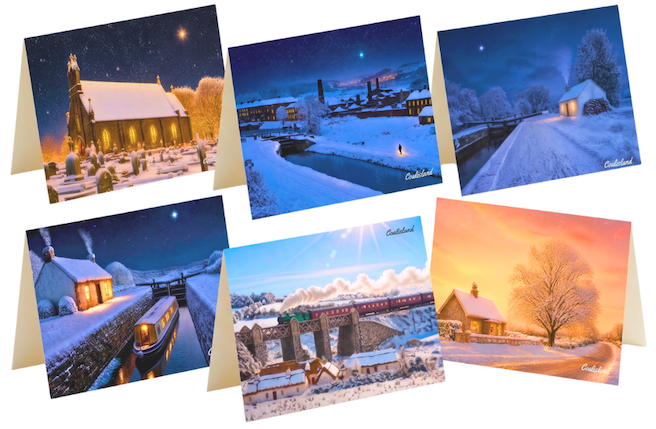
This beautiful collection of six Christmas cards has been created from original photographs and memories of Coalisland, carefully reimagined by Plunkett Scullion to preserve and celebrate local history. The project has been fully funded by Haven Coalisland, which means every penny you spend goes directly to Mary’s Meals. There are no production costs to recover and no deductions from your purchase.
Mary’s Meals feeds millions of children every school day, providing a simple meal that attracts hungry children into the classroom and gives them hope for a better future.
When you buy these cards, you’re sharing the story of Coalisland and helping write a new story for children around the world.
Find out some more information on the images on the cards below.
(£5 per pack of Cards plus £2 postage)
Packs of cards are also available to buy at:
R&D Christmas Shop, Dungannon Road
Dormans Chemist, Lineside
O’Neills chemist, Main Street
The Tool Shed, Dungannon Road
Lynch’s Spar, Clonoe
Newell Stores, Coalisland
Springisland
Spar, Ballynakilly Road
The Green Room, Coalisland Enterprise Centre
CK Interior Gifts,Dungannon Road
Where did the images come from? Find out below…
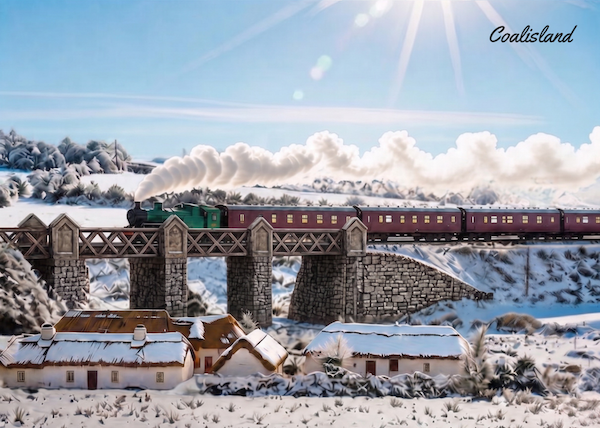
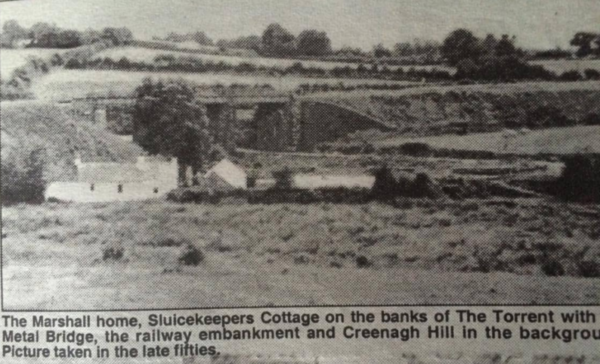
Carson’s Bridge was the name locals gave to the old railway bridge by the Torrent River on the former Coalisland branch railway line. It was sometimes referred to as the High Bridge, Big Bridge or the Metal Bridge. The bridge carried the railway that connected Coalisland to the wider rail network. The line opened in 1897 and closed to passengers in 1956, with goods traffic ending shortly afterwards. Much of the railway has disappeared, but the route and some structures remained visible for many years.

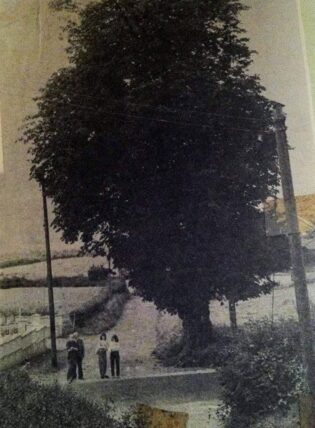
The Brackaville Mass Tree was a huge Chestnut tree which stood on the corner of Kettle Lane for over 200 years. It was finally cut down in 2022 due to rot in the base of the tree.
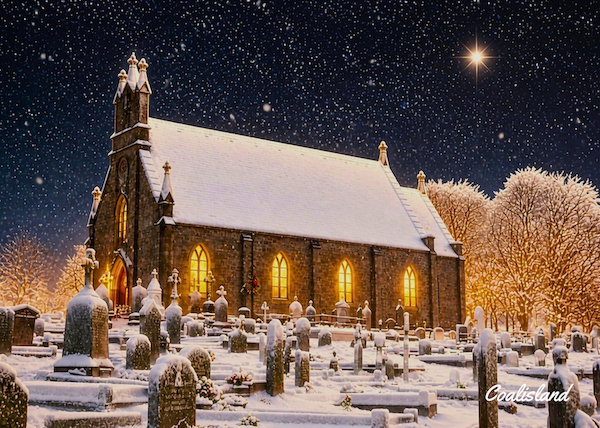
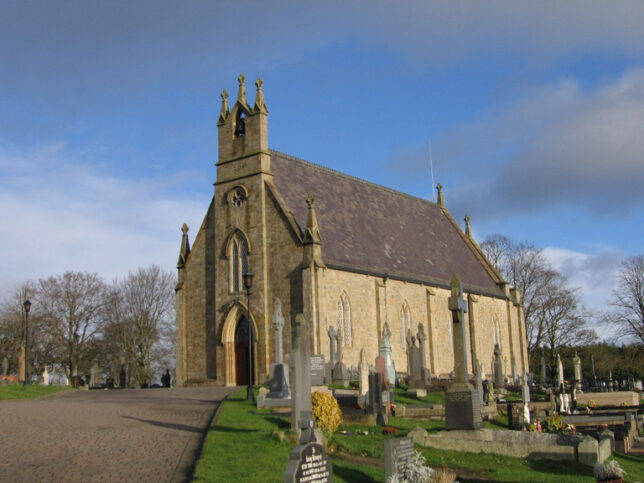
During the 1850’s the catholic population of Coalisland was increasing whilst at the same time the population of Stewartstown was in decline. In 1853 Fr Peter Daly was appointed parish priest and set about building a new church at the graveyard in Coalisland. Due to lack of financial support in that period following the Famine and other reasons it took nearly a decade to finish the work. But by 1862 the church of St. Mary & St. Joseph’s was consecrated.
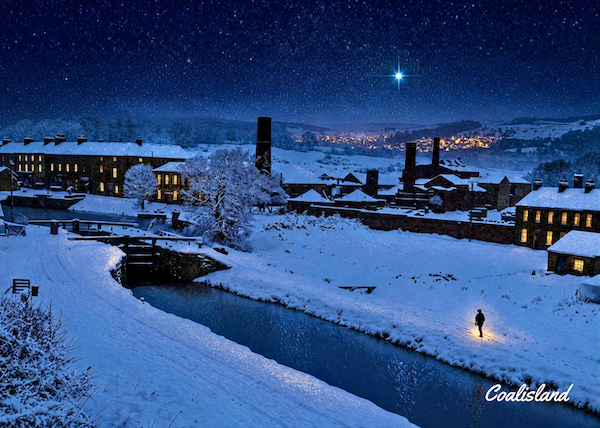
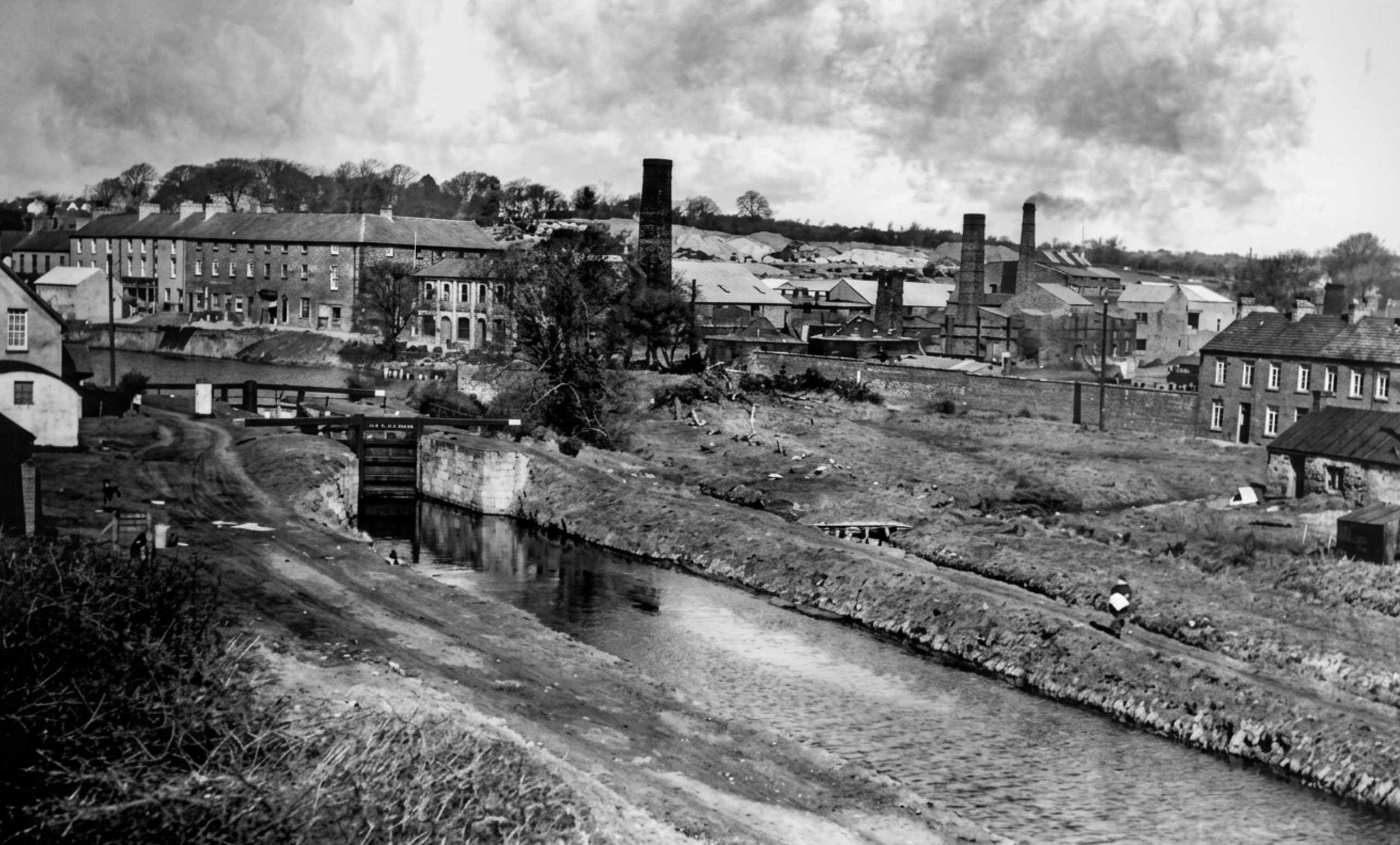
Opened in 1787 as the terminus of the Tyrone Navigation, the Coalisland Canal Basin operated as a bustling inland port. Horse-drawn lighters carried local coal, clay, bricks, and pottery toward Lough Neagh and Dublin, giving the town its name. Following the canal’s official closure in 1954, the harbour was drained and filled in. The waterside land, Springisland, has evolved into a busy commercial, retail, and industrial hub along the Washingbay Road.
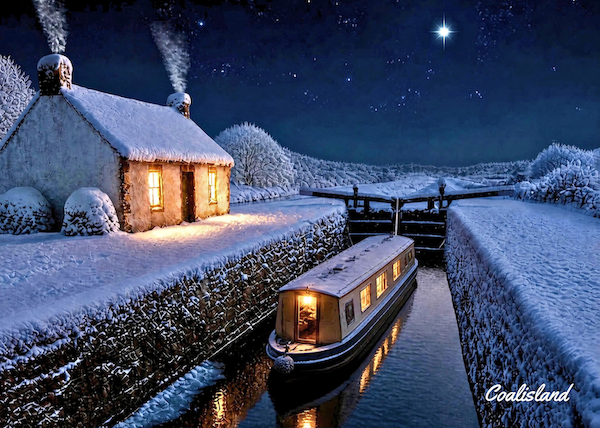
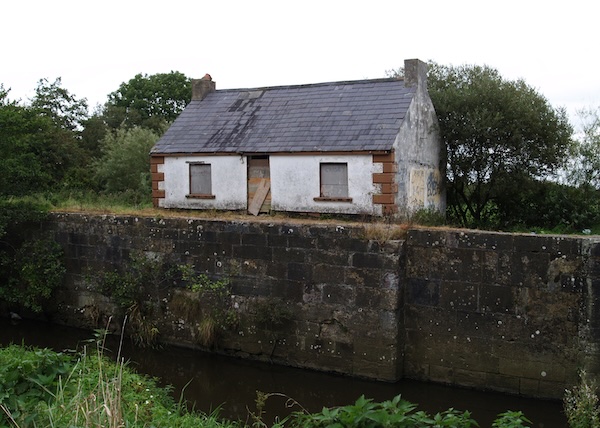
Built to help manage the Coalisland Canal’s 51-foot drop toward the River Blackwater, O’Neill’s Lock was one of seven masonry locks that kept the 1787 waterway navigable. Its accompanying Lockhouse served as both family home and operational post for the lock-keeper, who operated the heavy timber paddles and gates as horse-drawn lighters passed through with coal, brick, and grain.
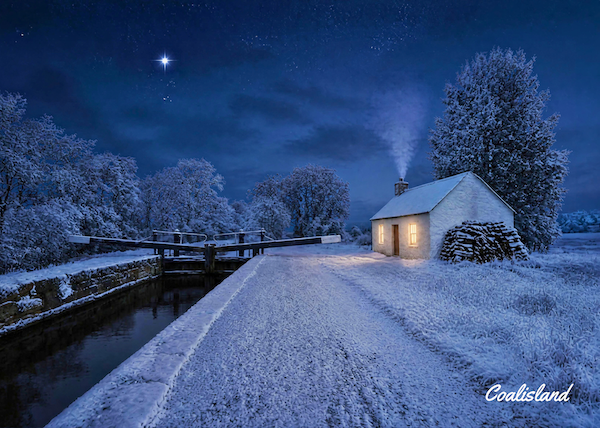
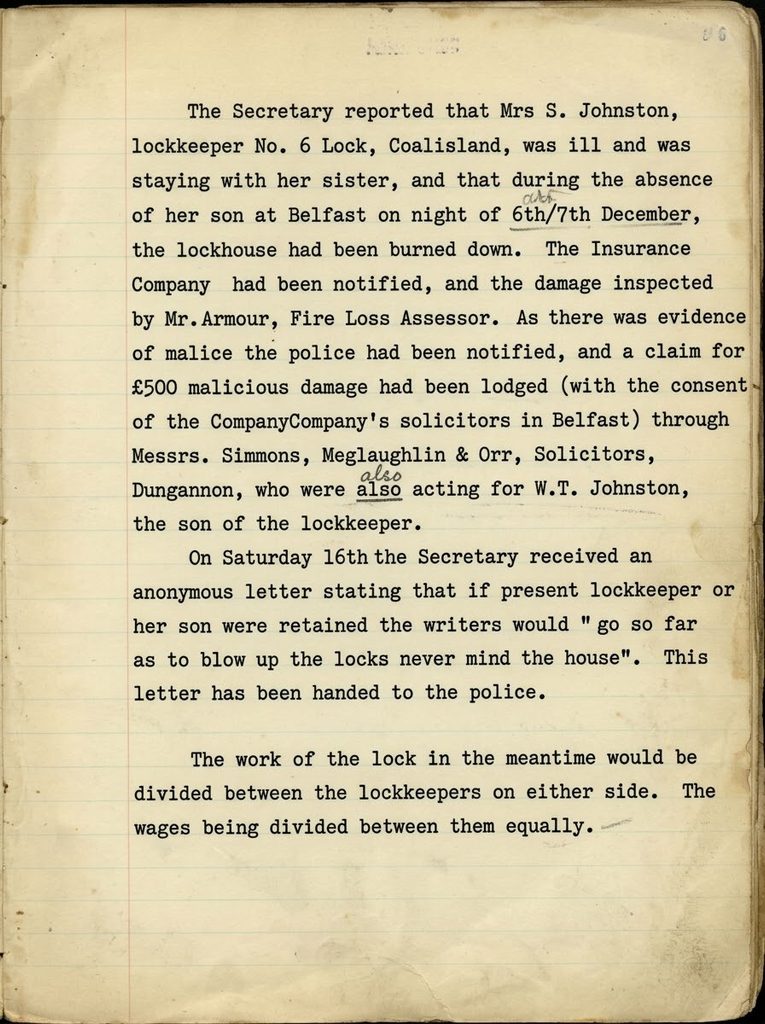
Johnston’s Lockhouse was one of five lock-keepers’ cottages constructed along the 4.5-mile waterway to manage its seven locks. Named locally after the Johnston family—who served as the canal’s resident lock-keepers—the cottage sat directly beside the lock chamber so the keeper could monitor approaching lighters day and night. How this lockhouse met its end is an interesting story – see below…
(£5 per pack of Cards plus £2 postage)